
Now let's get one thing straight of the bat: YES, you can still find relics from D-Day & WWII around Normandy. No, not only in museums/shops/exhibits. But the first thing you have gotta let go of,
is that you are a WWII enthousiast/collector or researcher and you have a state of mind that is very different from a French farmer who just had his land or farm ravaged, bombed or damaged...
He could use everything. A pole from an US Army tent became a fencepost. An ammobox was disassembled for hinges/wood... Parachute lines and hooks were used in the house and on the farm.
WWII relics still pop up: on attics, in the woodworks and yes... there it is: barnfinds! The fields of Normandy are also still ripe with metal, silk and whatnot related to D-Day. But do not make
the mistake to get a metaldetector and run into any hedgerow/field you like and start digging. I can tell you that is the fastest way to get a hefty fine, have your gear confiscated, or get shot.
Get shot? Yes! Seriously. I've seen grown men sitting down with tweezerss to pick hail shot out of their legs and behind (the latter was standing, not sitting...). Same goes for flying your
drone over any piece of land. It could be shot at. Just hook up with a bonafide WWII guide, fraternize with locals, grind and grovel. And look for relics where you do not expect them!
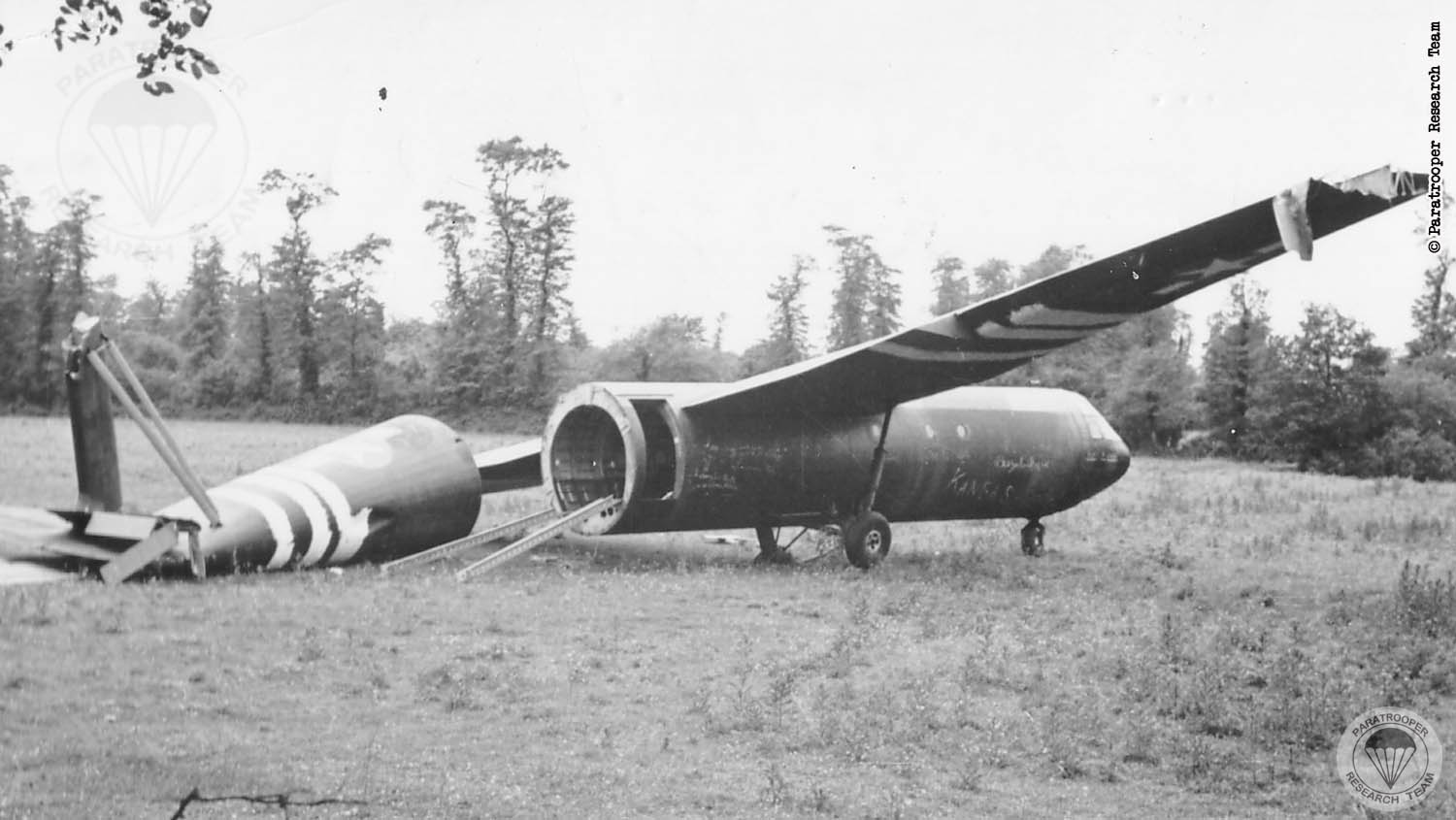
During D-Day and the days after June 6th 1944, hundreds of Gliders landed in Normandy. WACO gliders and Horsa gliders. This is a Horsa Glider.
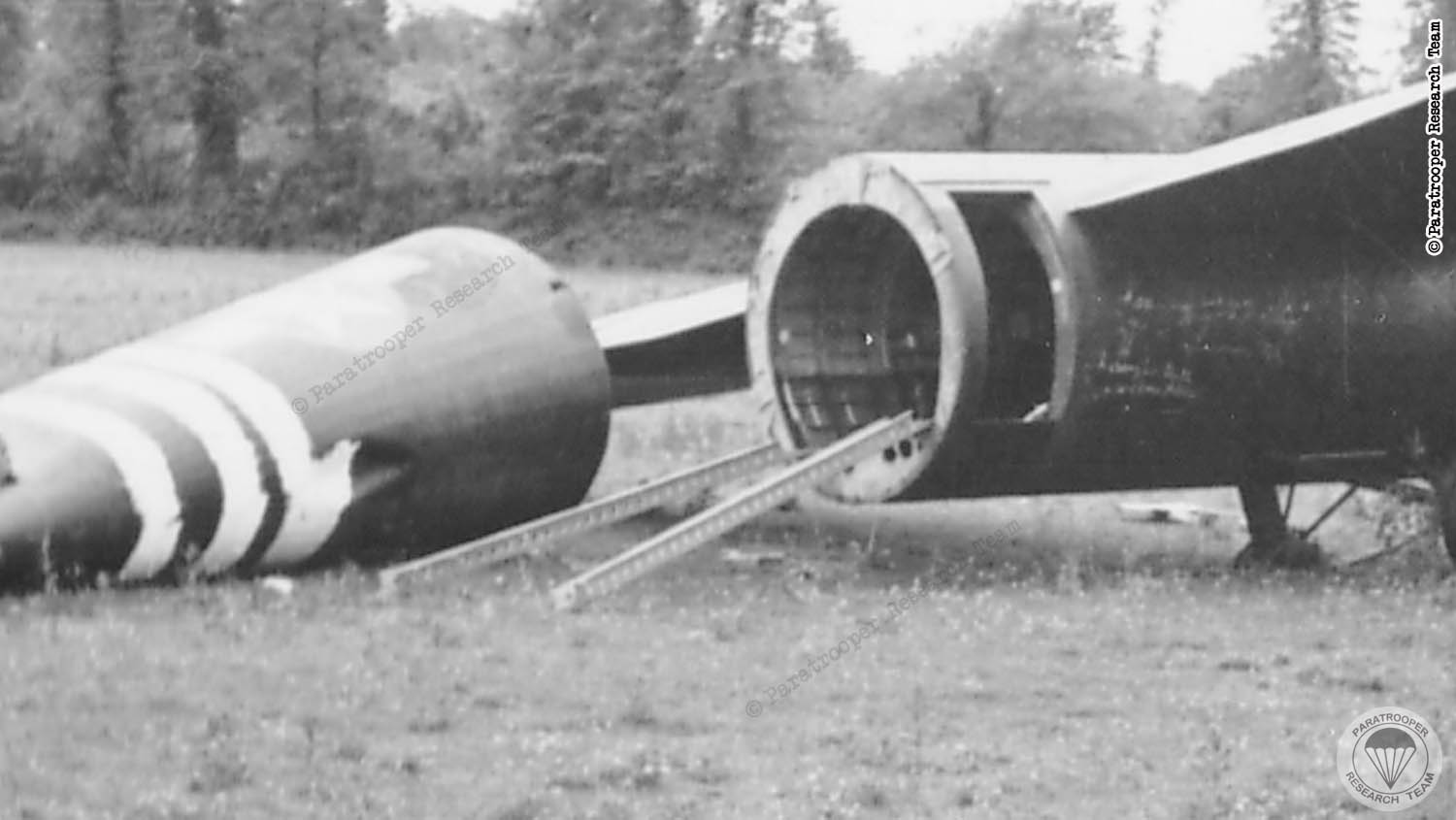
To make it easier to unload gear, carts and vehicles, exit ramp plates were stowed in the gliders, for quick use after touching down.
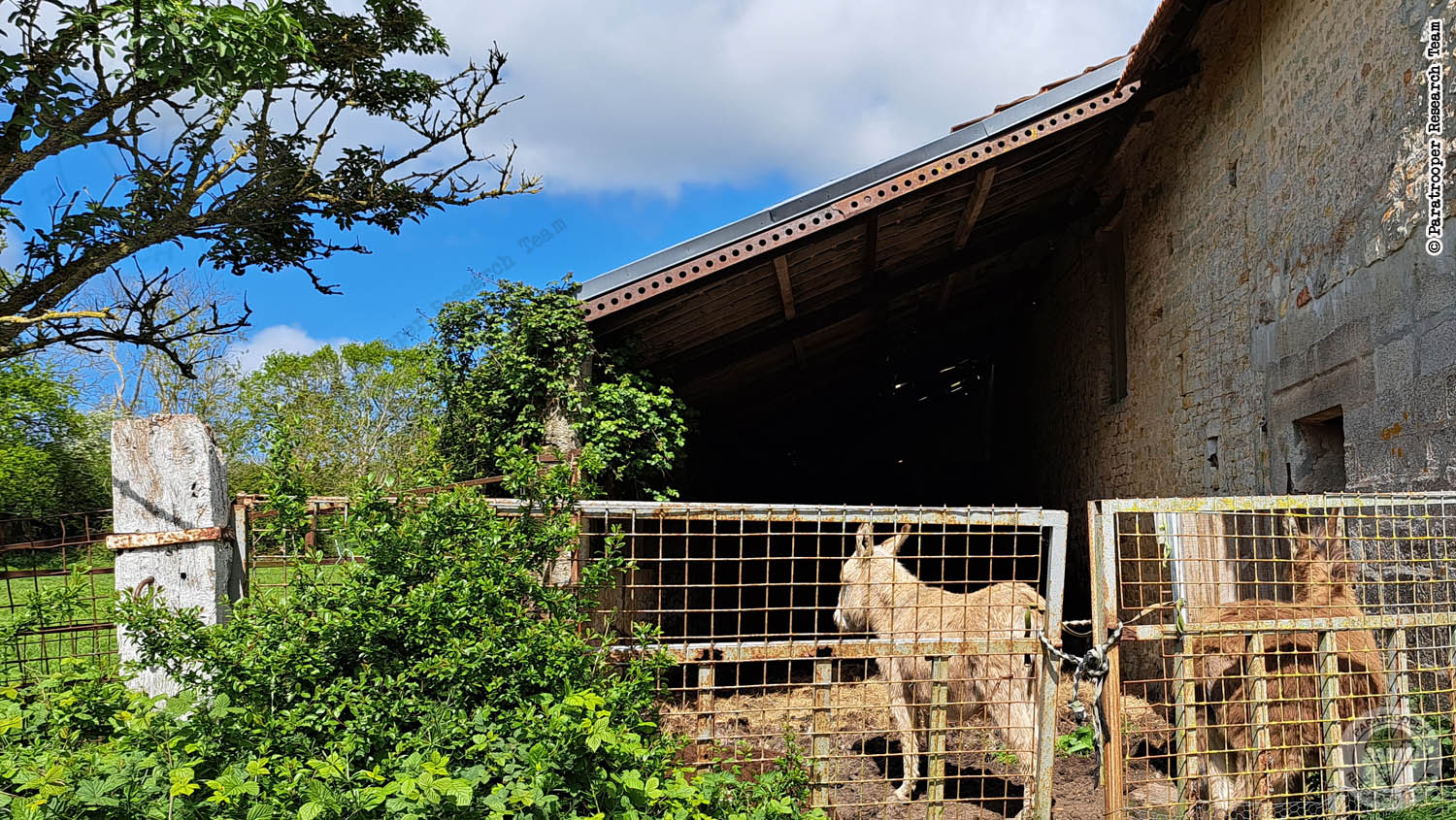
Well take a look at that girder holding up the roof in the shed next to that farmhouse. There you go. The French farmer could use anything that was laying around on the former battelfield.

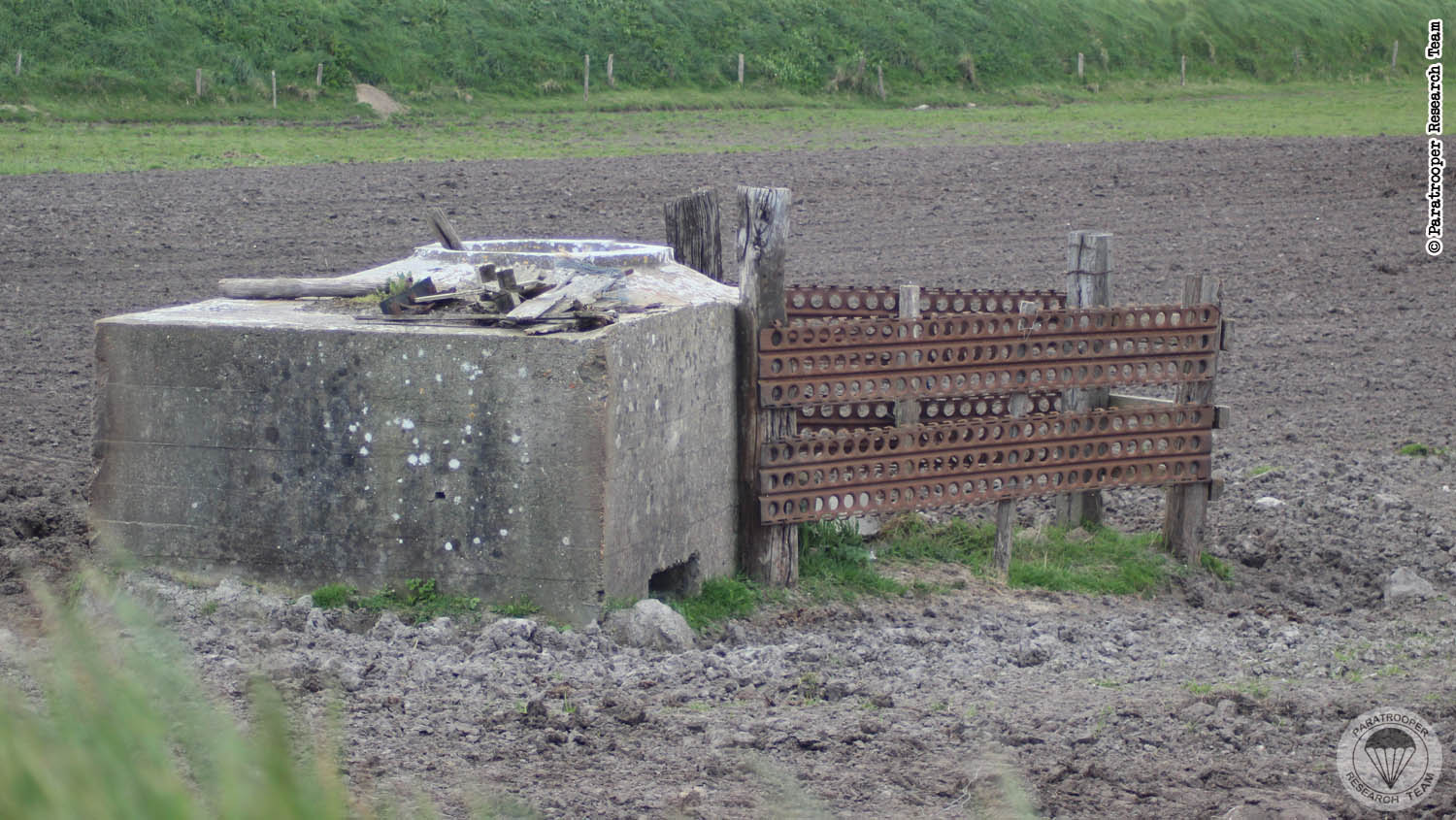
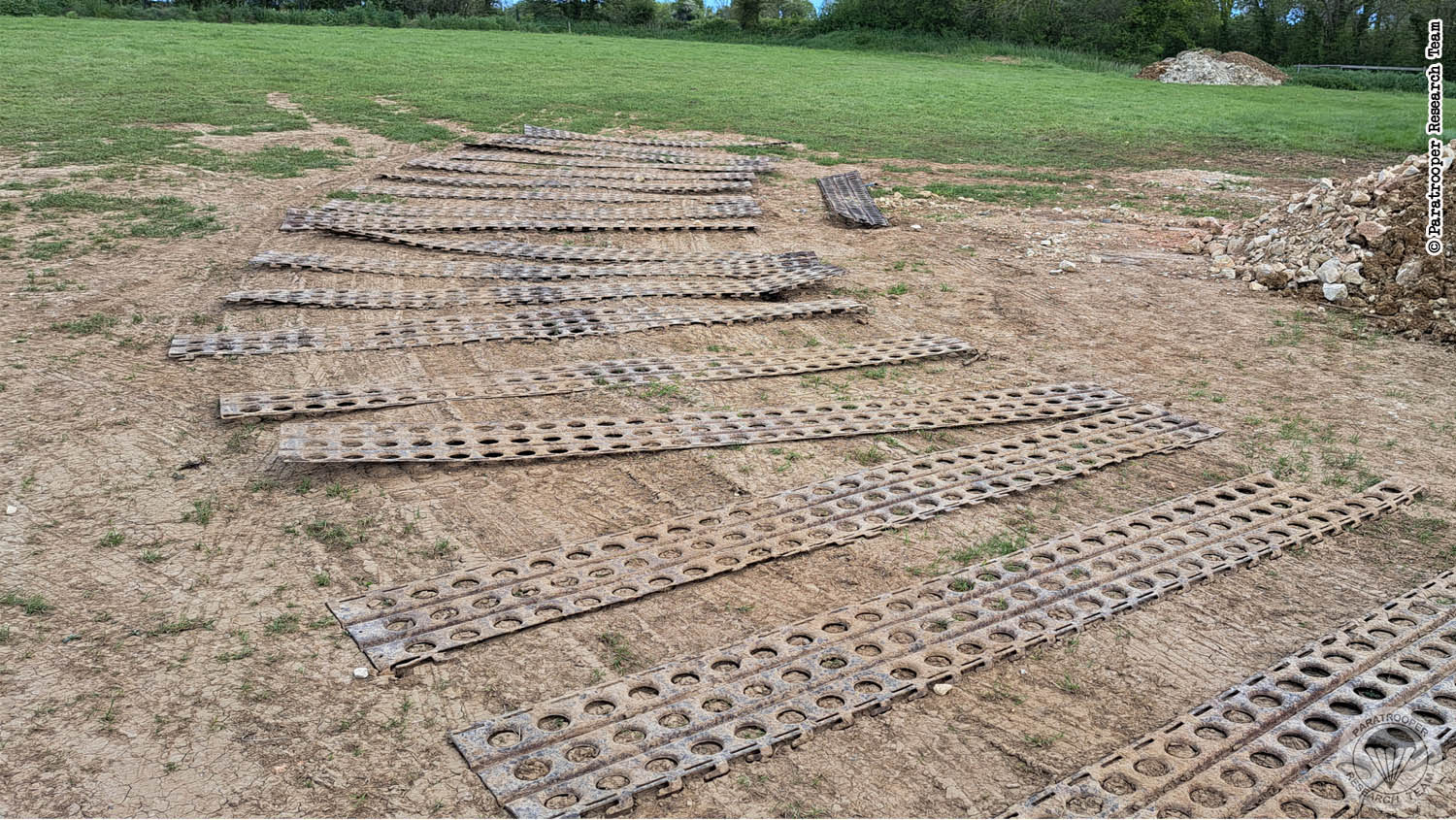
Temporary airfields were constructed in Normandy, after D-Day. The landing strips were lined with wire netting or Marston Mats, more properly called pierced (perforated) steel planking (PSP).
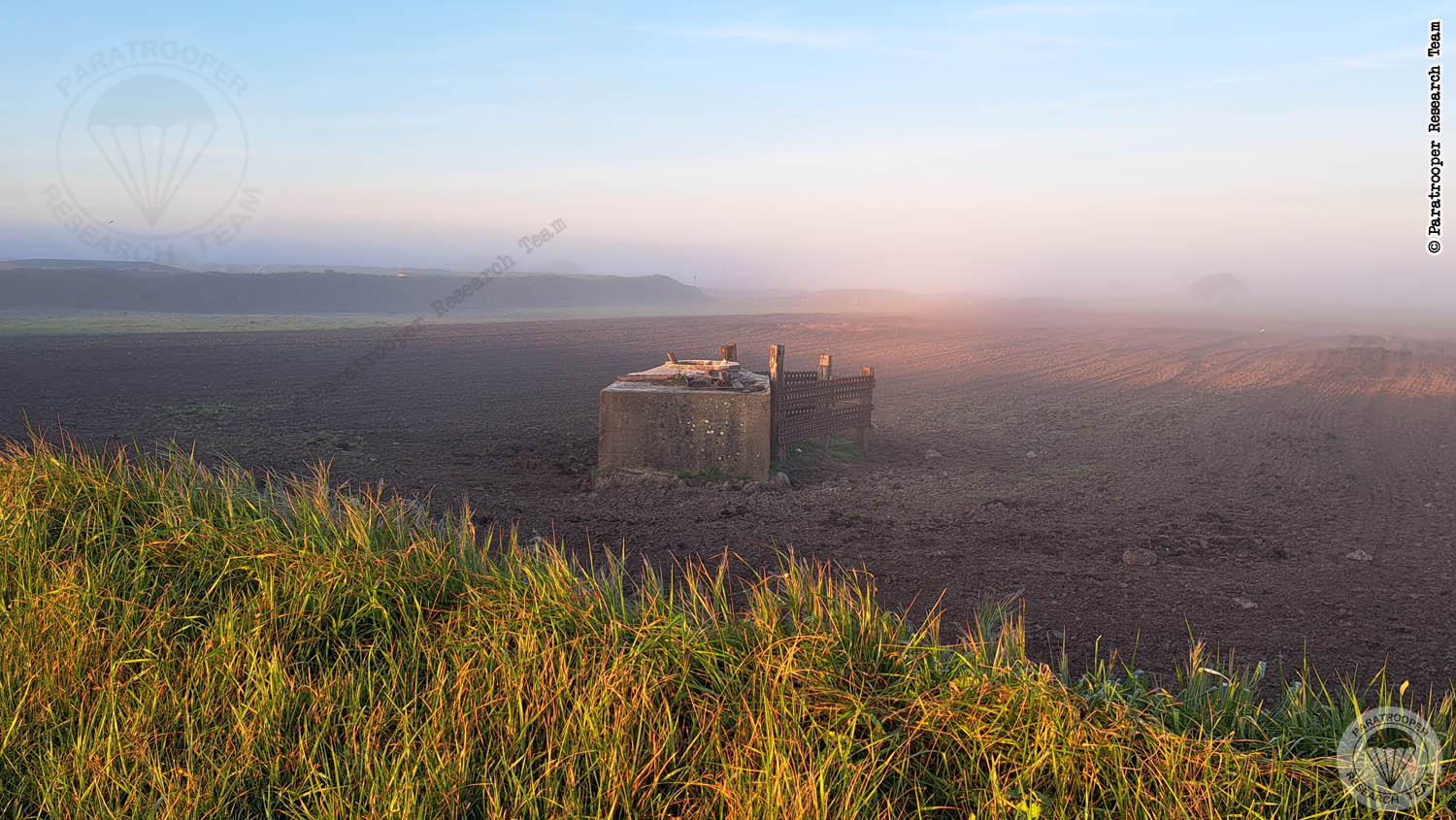
And those mats were just what the farmer needed to make a fence. I shot these pictures in May 2023, just a few hundred meters from where we lodged near Utah Beach.
And some locals... have more of these mats than others. In fact the photo below was shot at the Dead Mans Corner museum parking lot.
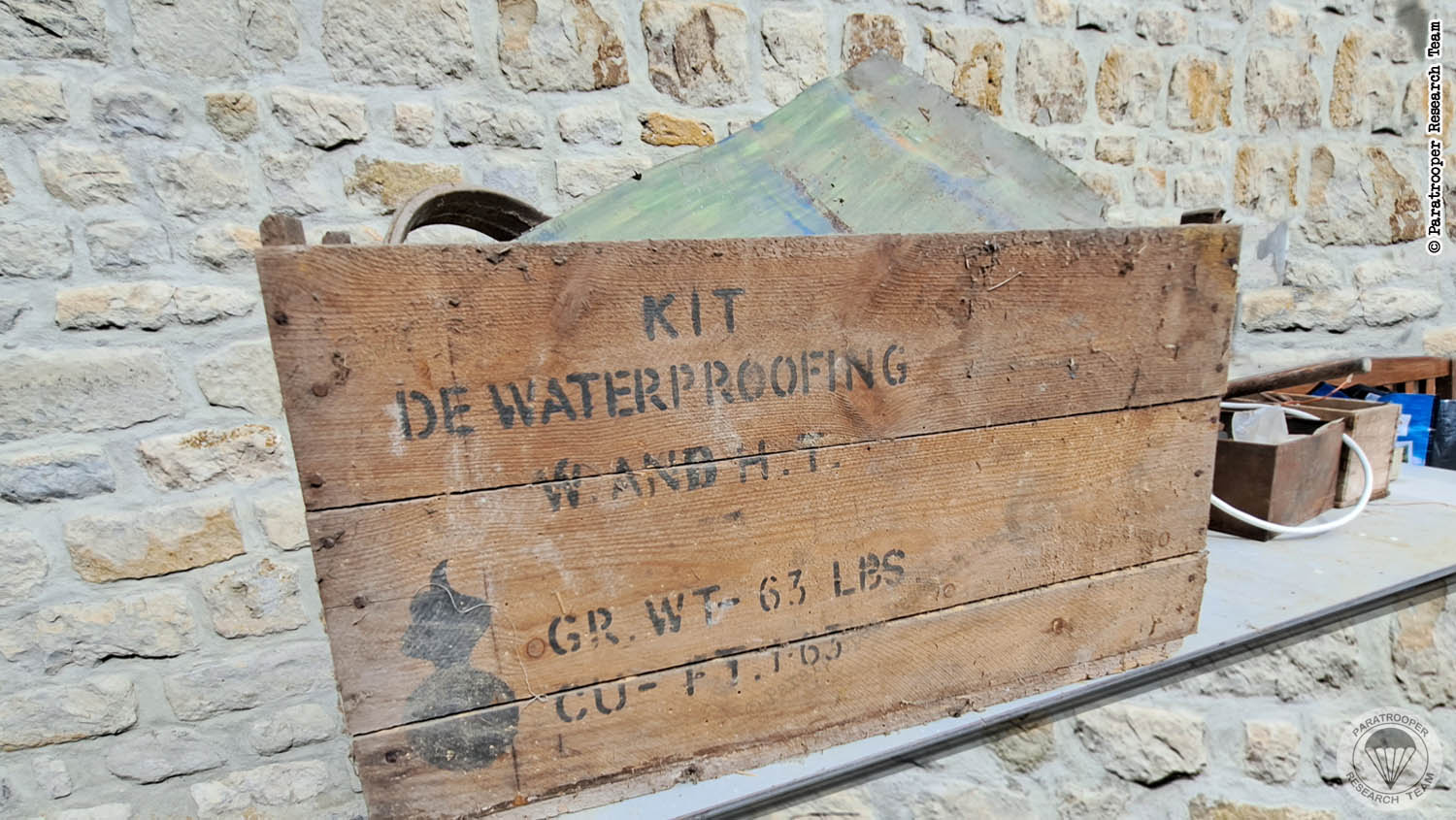
Crates and boxes are still seen everywhere. And that makes sense because they always come in handy. Which man doesn't like a good old crate?
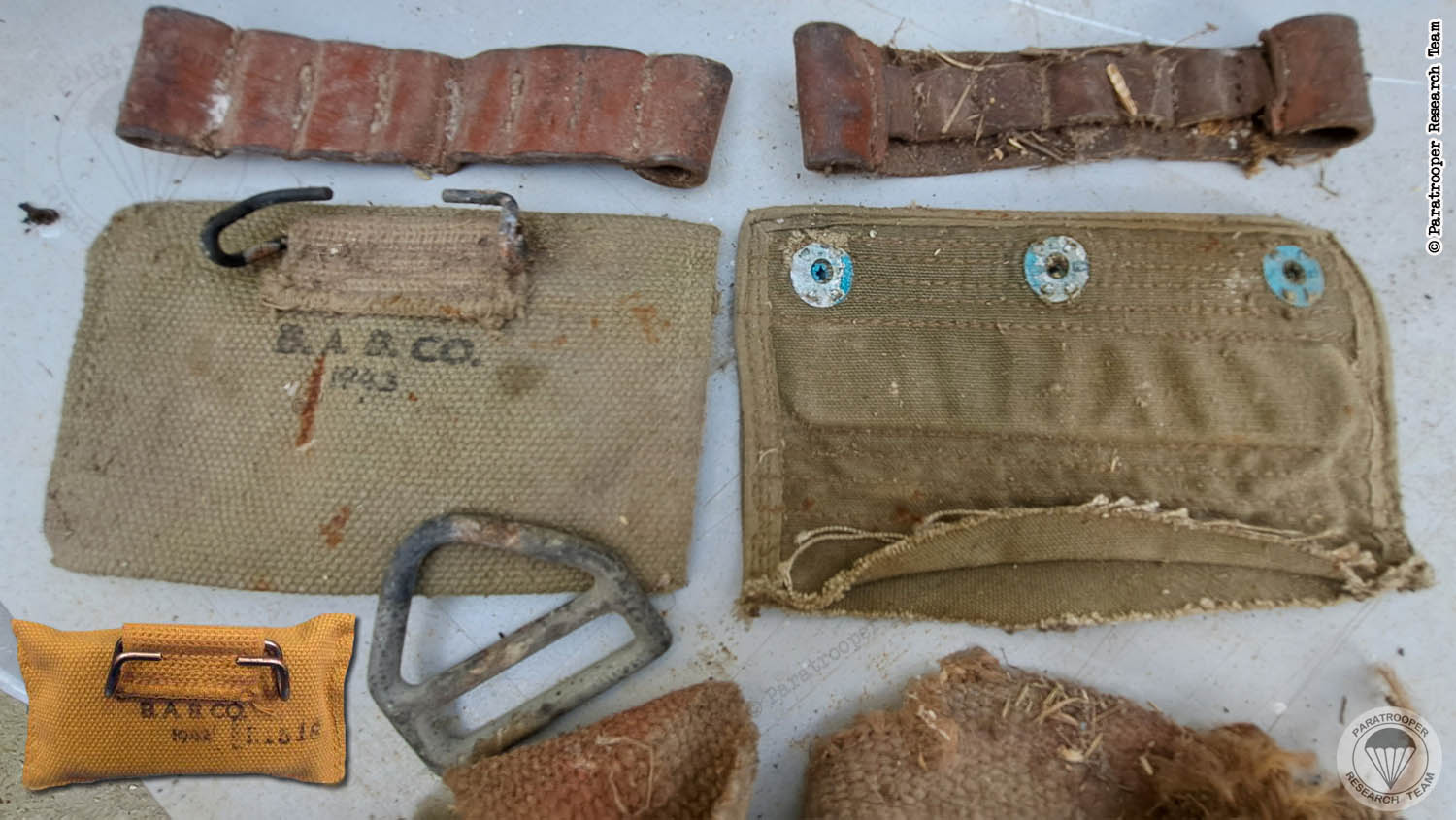
A first aid pouch was a piece of kit that was mostly attached to the belt. Every GI was issued with one.
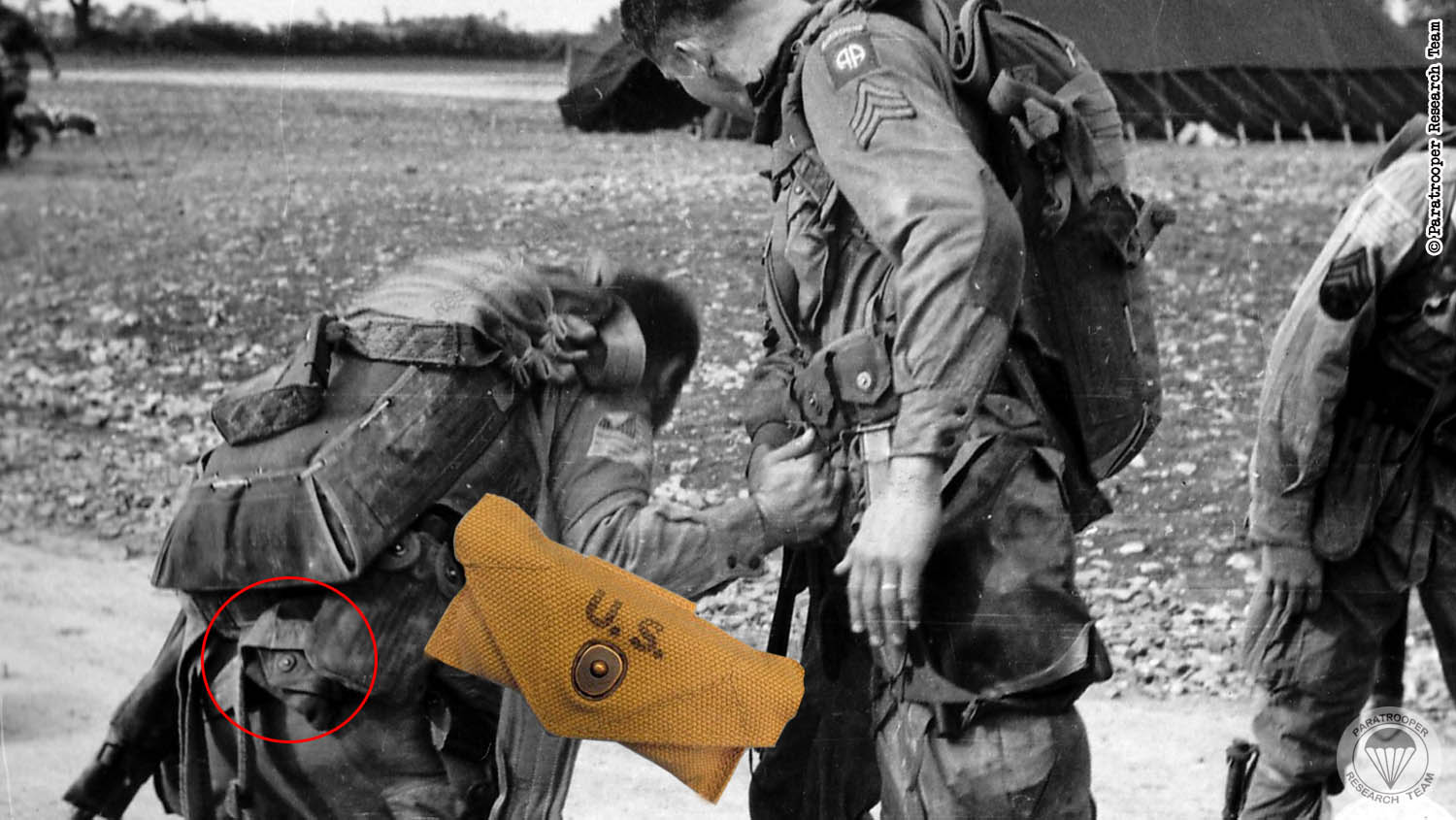
All these relics came out of an old shed used to store hay. The first aid pouch has detoriated, but the back is still fine, B.A.B. Co, dated 1943.
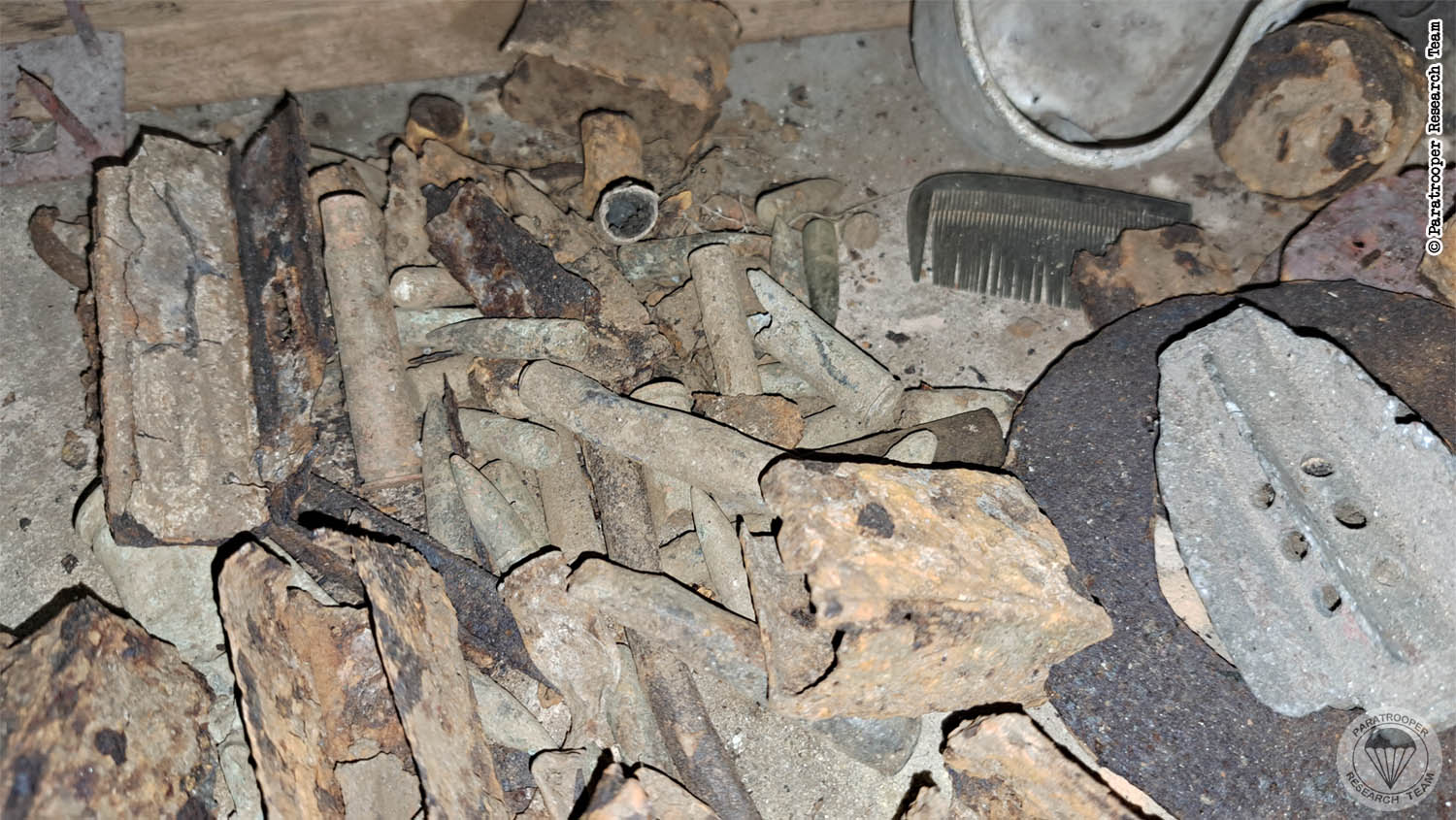
A box full of stuff in a barn. The farmer has tossed many a piece of metal found on his fields aside, and collected them in a box. From mess tin, cartridge to a piece of a comb.
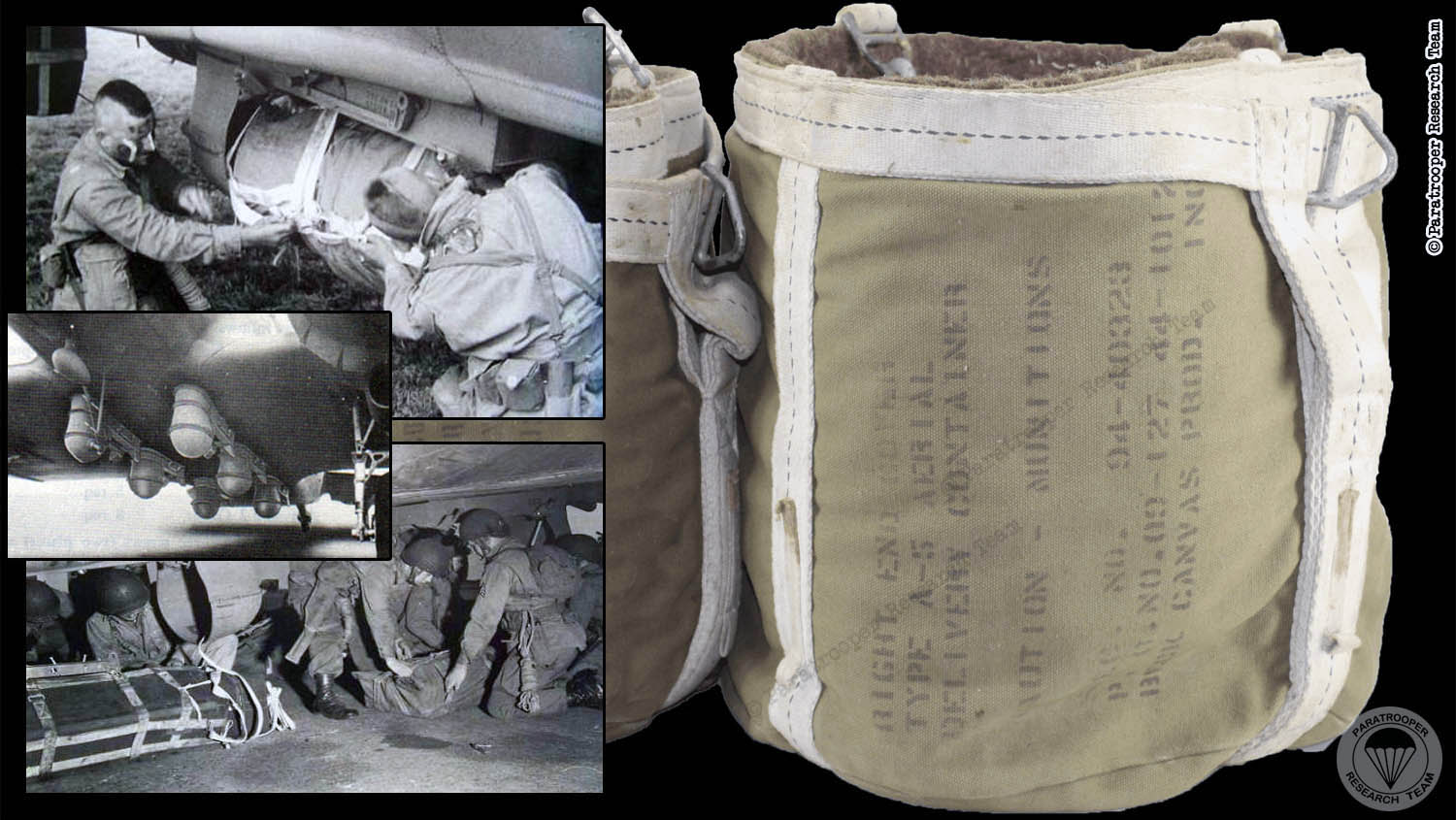
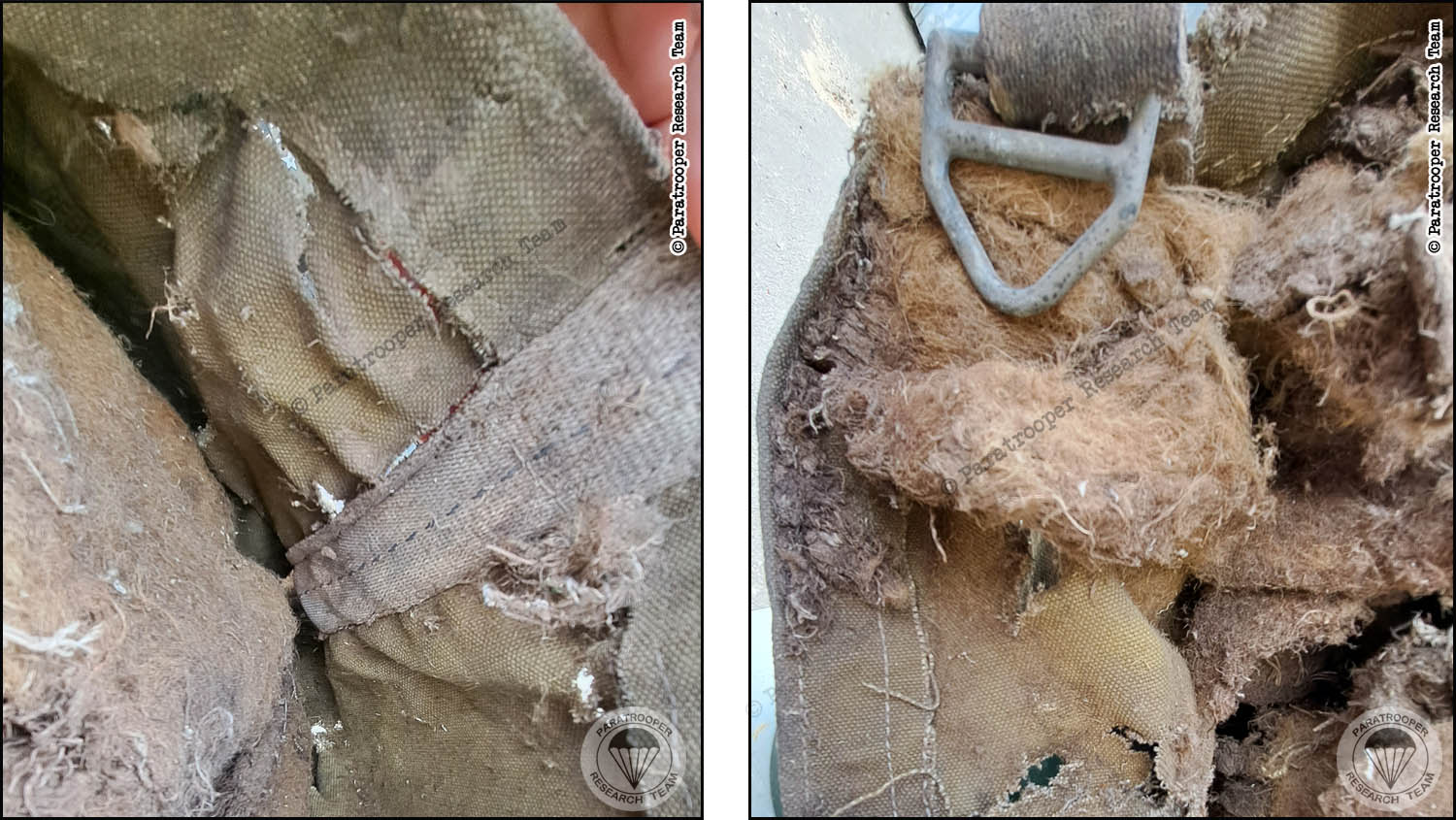
During D-Day the C-47's dropping the paratroopers were also loaded with para-packs, to be dropped with the troops. Many of these bags (much like the infamous leg-bags) were never found.
This one surfaced from a cellar near the 501st DZ. Most of the webbing and hooks/buckles are gone. But this is a true relic of D-Day!
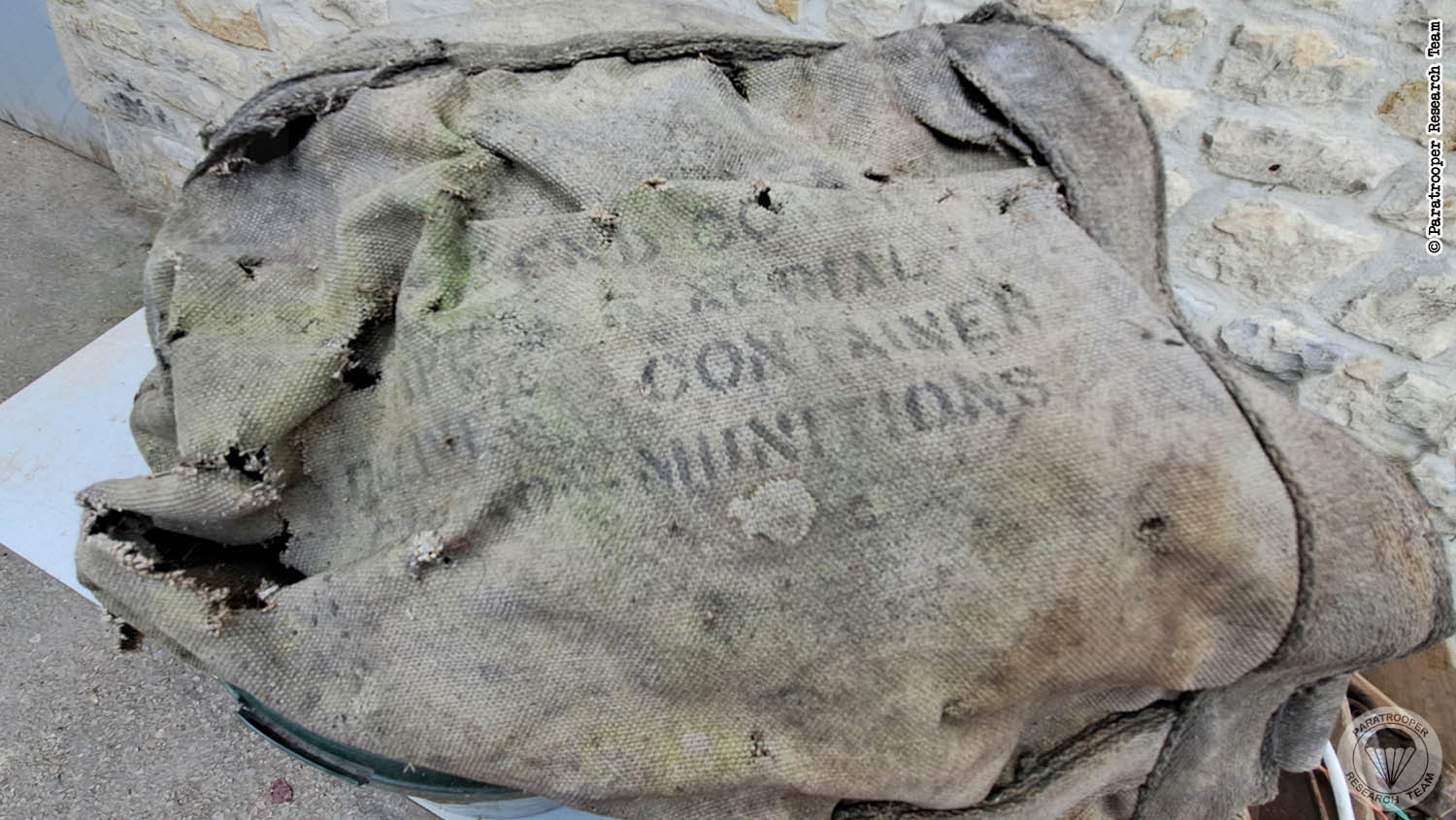
Canvas, parachute webbing, felt padding/filling and hooks and buckles. 79 years ago dropped over Normandy.
Even today there is still discussion about the color coding of the droplights- and chutes. George Koskimaki tried to figure it out, and LTC Charles Carlsen (501st PIR Parachute Maintenance) answered.
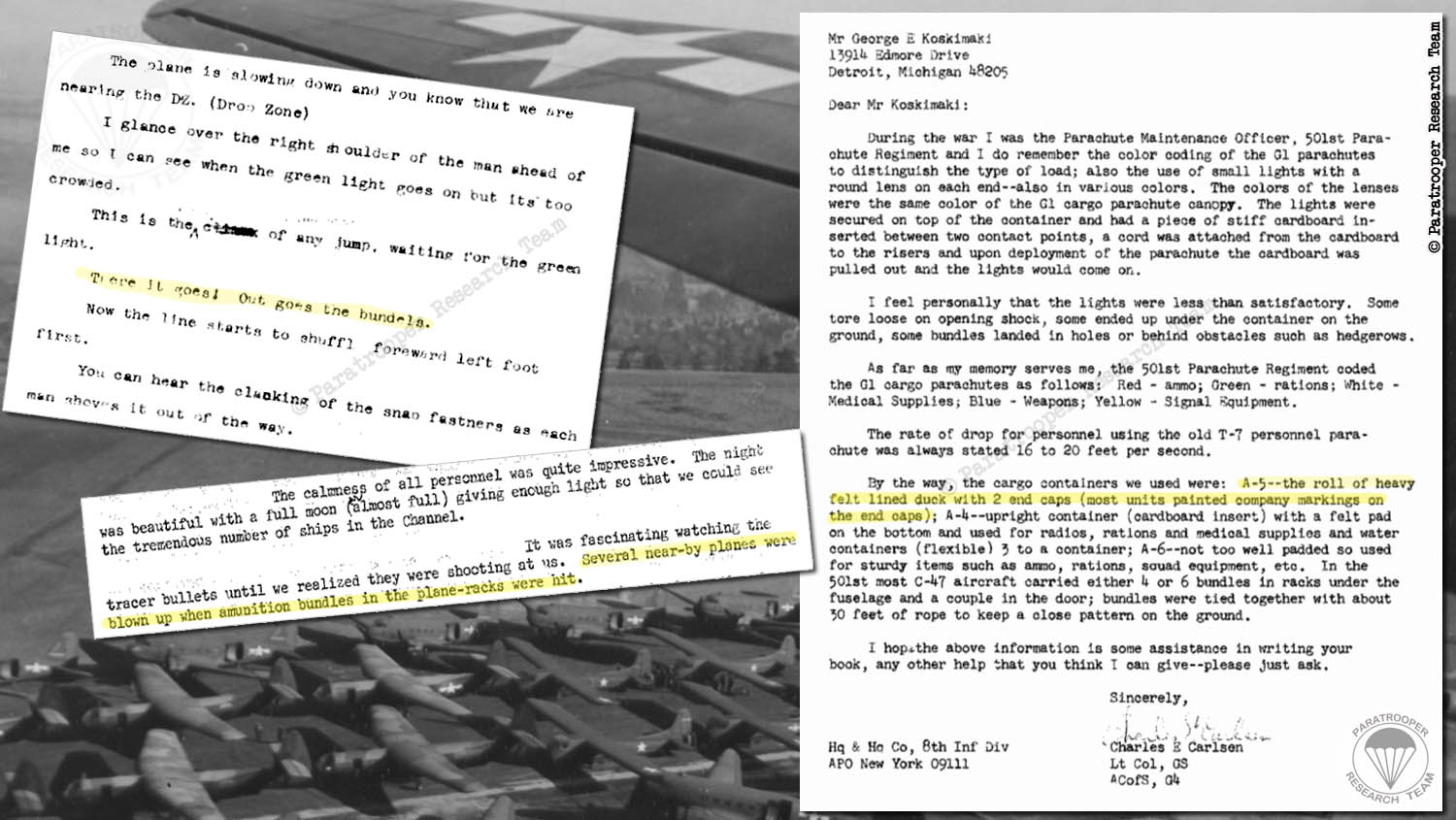
As you can read above the bundles were supposed to be released from the planes before the troops jumped. Another veteran blames the ammo packs for blowing up planes, once hit by Flak...
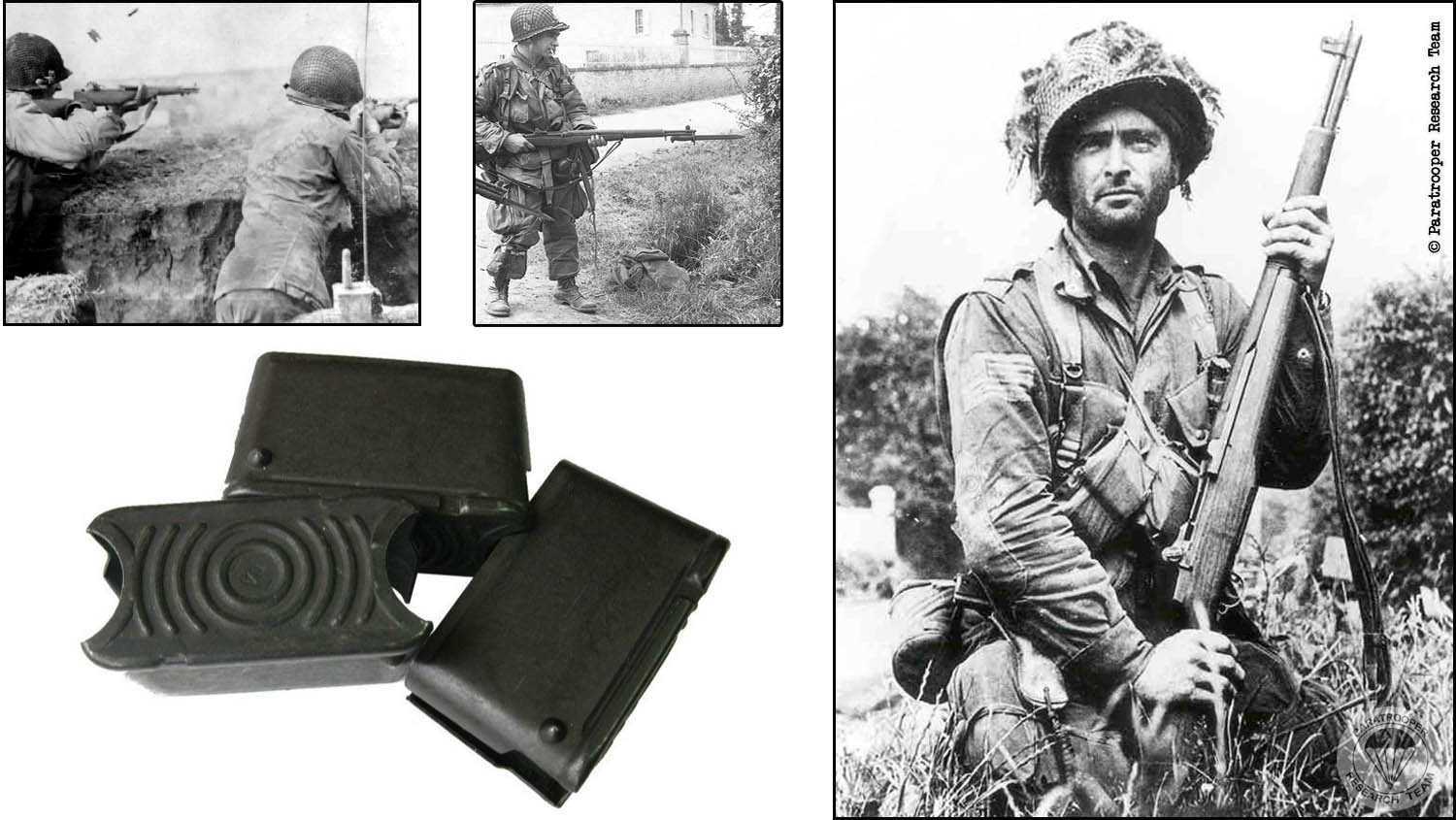
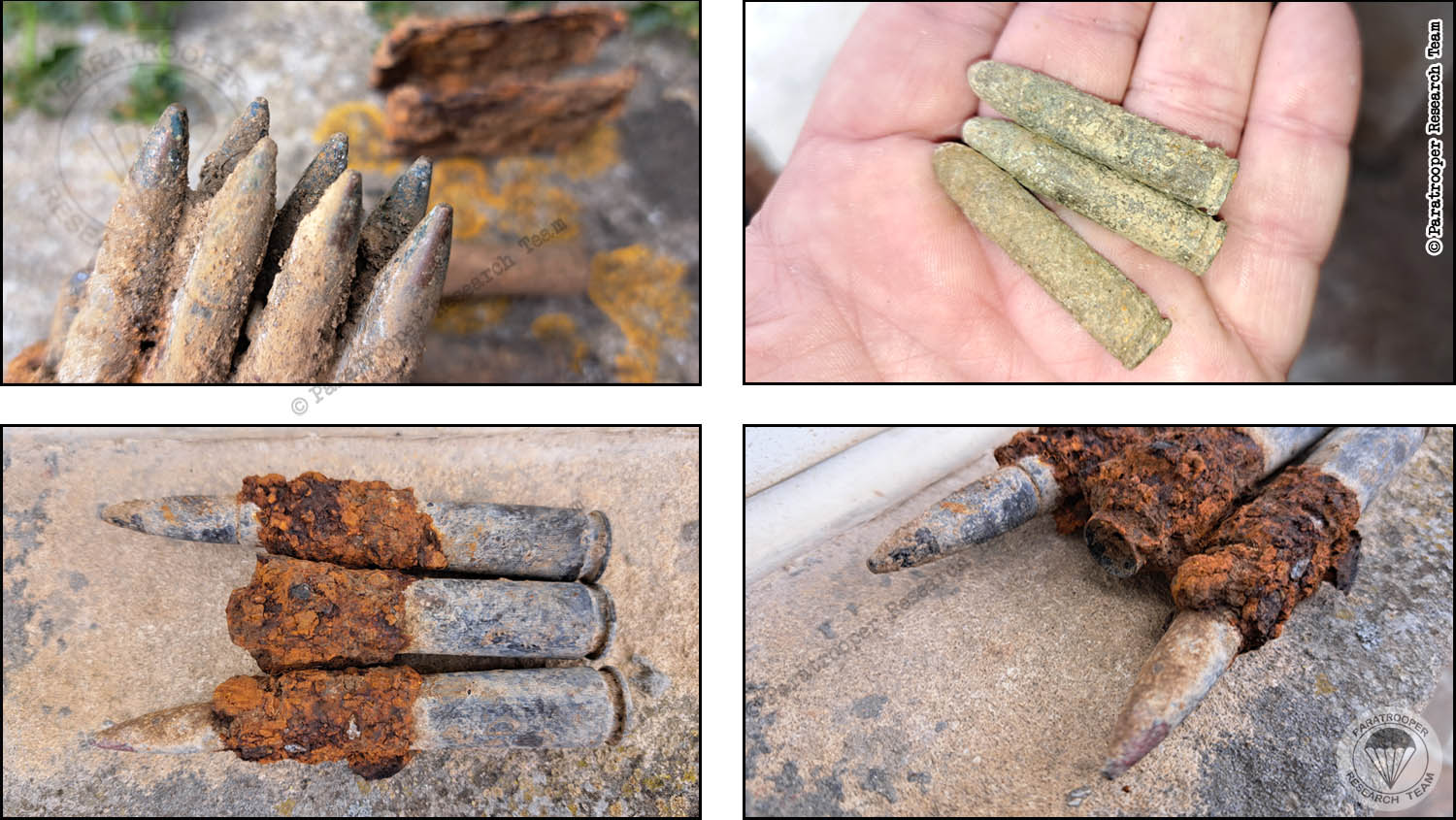
The M-1 Garand rifle was the workhorse of the American troops. The 8-round clip is an icon, in sight and sound. These were found along a hedgerow, between the roots, on top of the dirt.
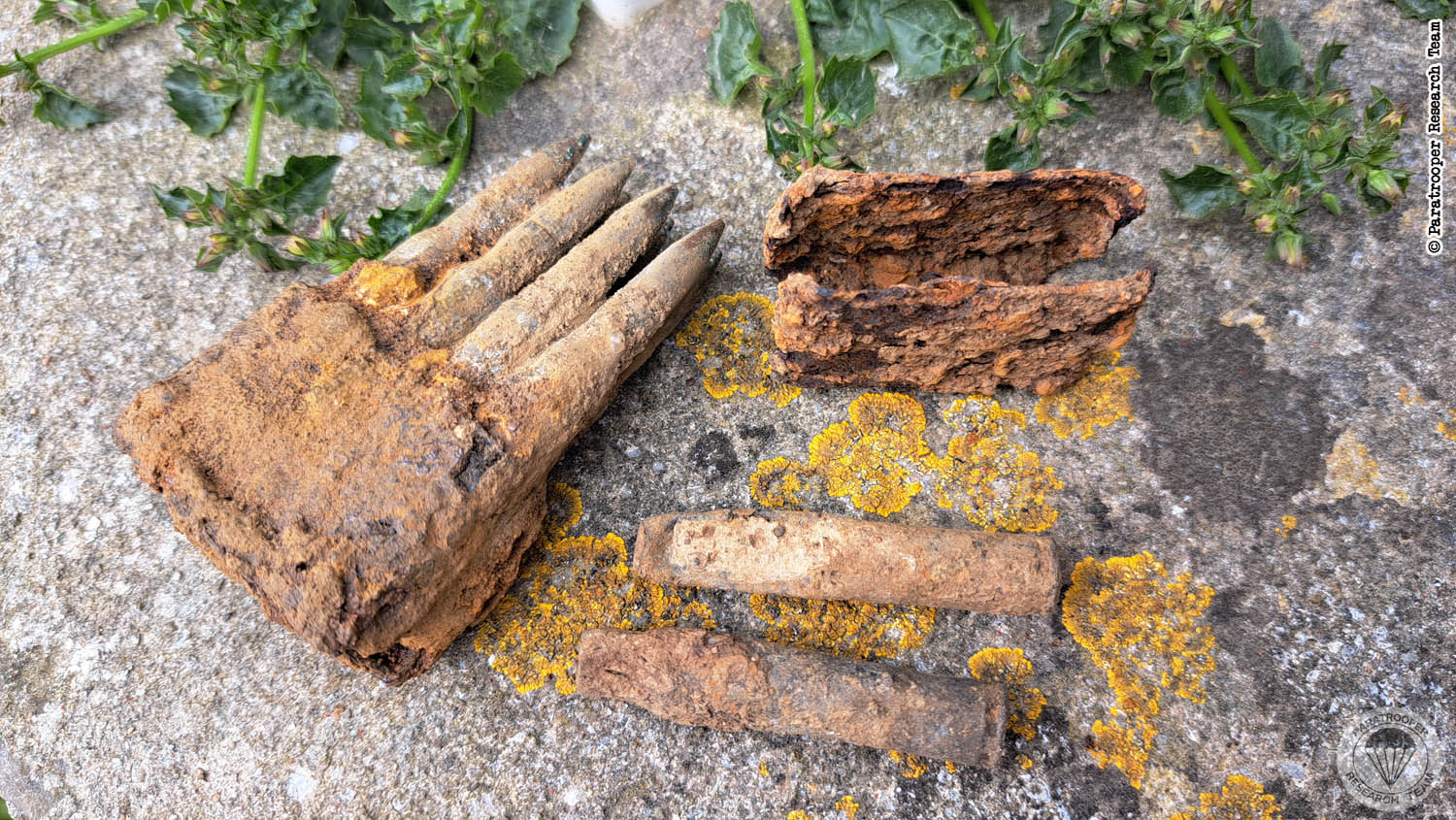
M1 rifle clip with cartridges, M1 carbine cartridges and three .50 cal cartridges still chained together (one bullet head lost in the dig). Impressive selection of US WWII relics.
Tens of thousands of life preservers were issued for the Normandy landings. The seaborne forces were equipped with self inflating belts using gas-filled cylinders.
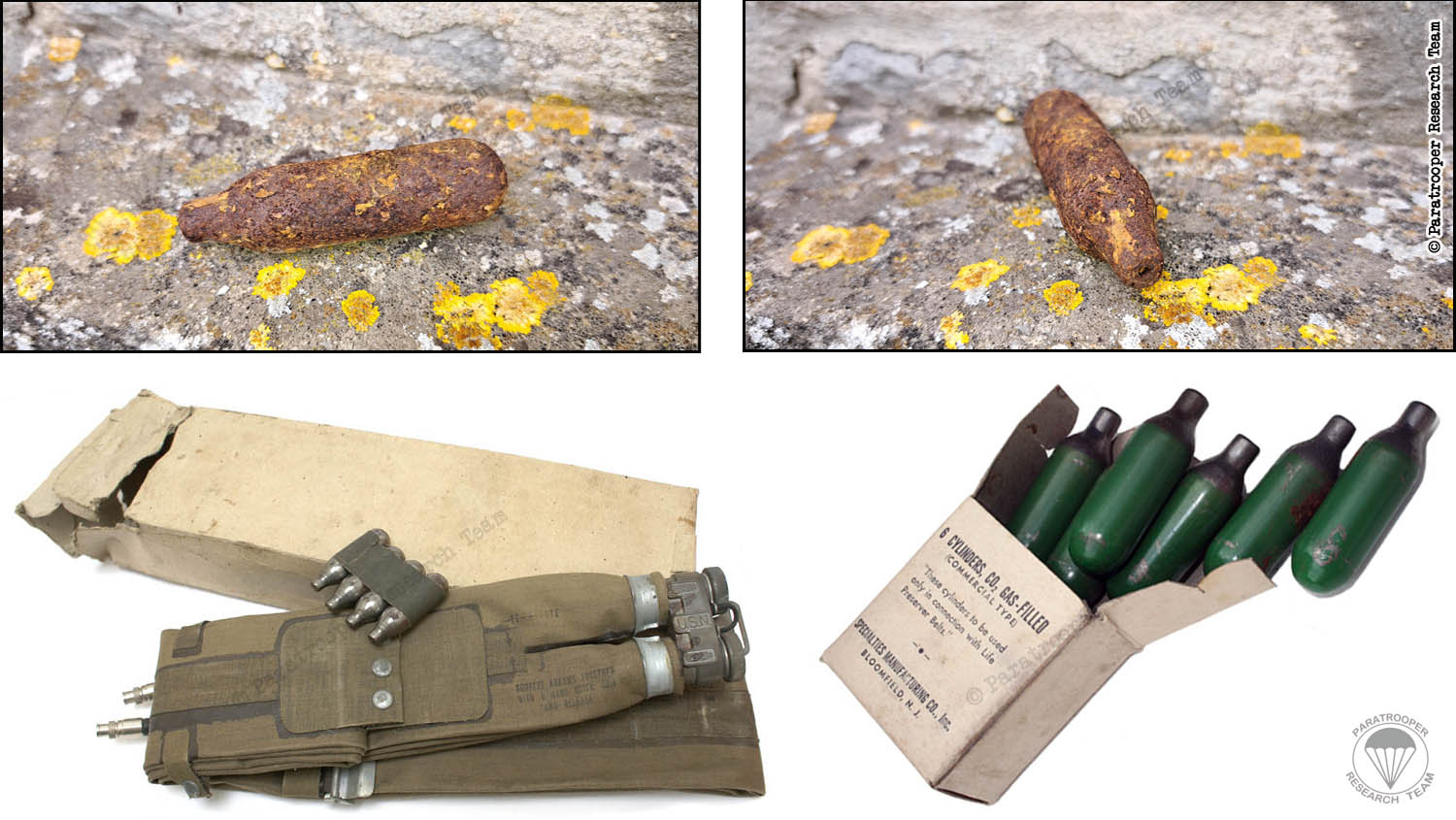
To find one near Utah Beach (exit one) is amazing. So many of these belts were discarded, as were the used (and spare) gas cylinders. We just never came across a ground dug one.
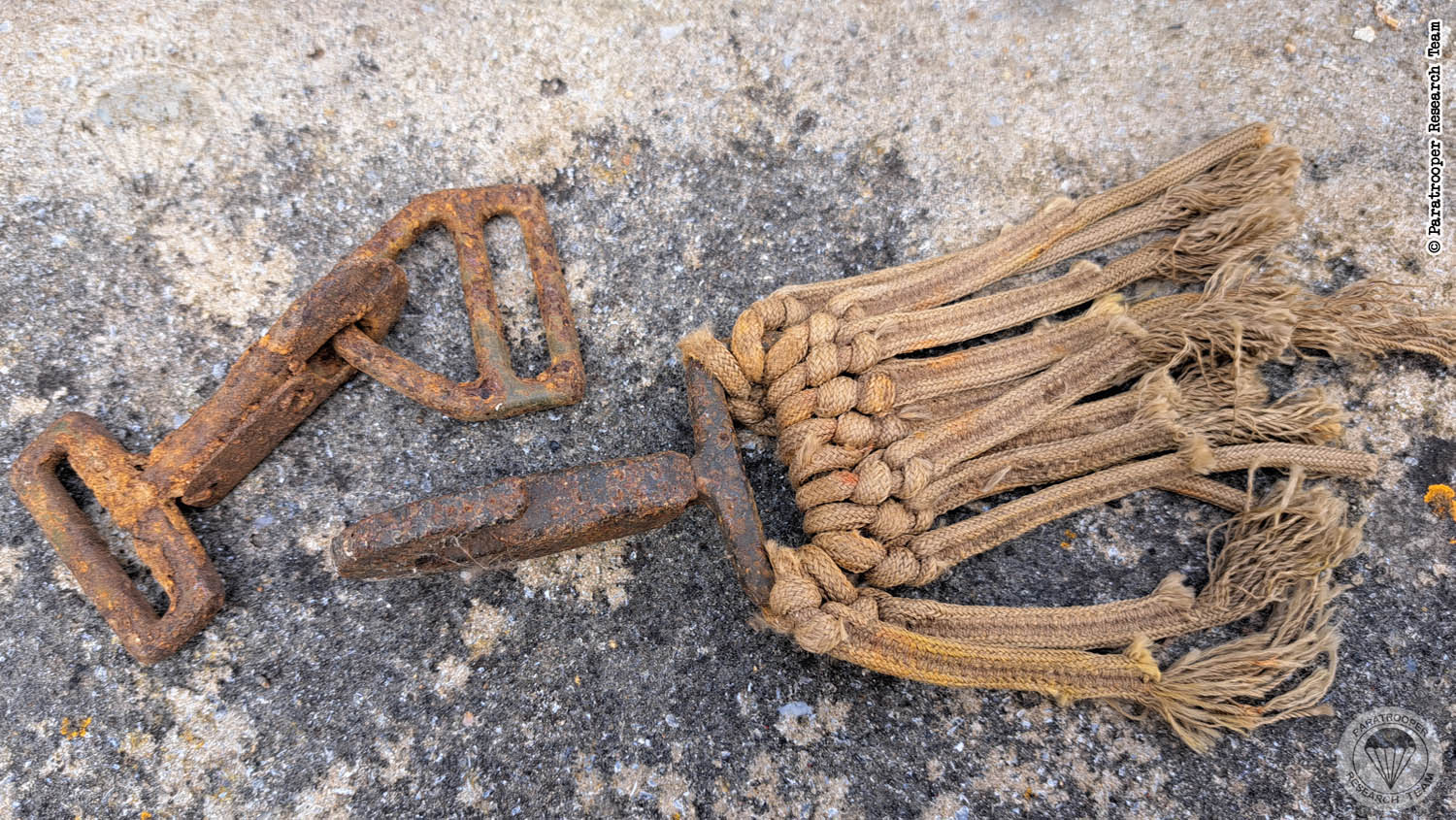
Finally: the ultimate (AB) D-Day relics, to us, are T-5 webbing / harness or parachute parts. Here is a fine example of a recently found buckle with the line remnants still attached.

© Paratrooper Research Team - Normandy 2023 - D-Day Relics